
-
Mon–Fri 8:30am–11pm
Sat–Sun 9am–11pm - Alexander Heights, WA 6064


Community and social participation support for NDIS participants across Perth’s Northern Suburbs. Get out of the house, take part in what you enjoy, and stay connected, with a support worker who goes alongside you.

Community and social participation support helps you take part in life outside your home. A support worker goes with you, so the things that feel hard to do alone become possible again.
That might be getting to a weekly class, catching up with friends, joining a local group, getting back to a sport, or simply getting out of the house more often. The worker is there to help you get there, take part safely, and enjoy it.
For a lot of people, isolation isn’t a choice. It builds up quietly when getting out becomes difficult. This support exists to turn that around, helping you stay connected to the people, places, and activities that make life feel full.
catch-upsCoffee, meals out, visiting friends, shopping trips, and the everyday outings that keep you connected to the people around you.
Getting to classes, clubs, and groups built around the things you enjoy, whether that's gardening, gaming, craft, or cards.
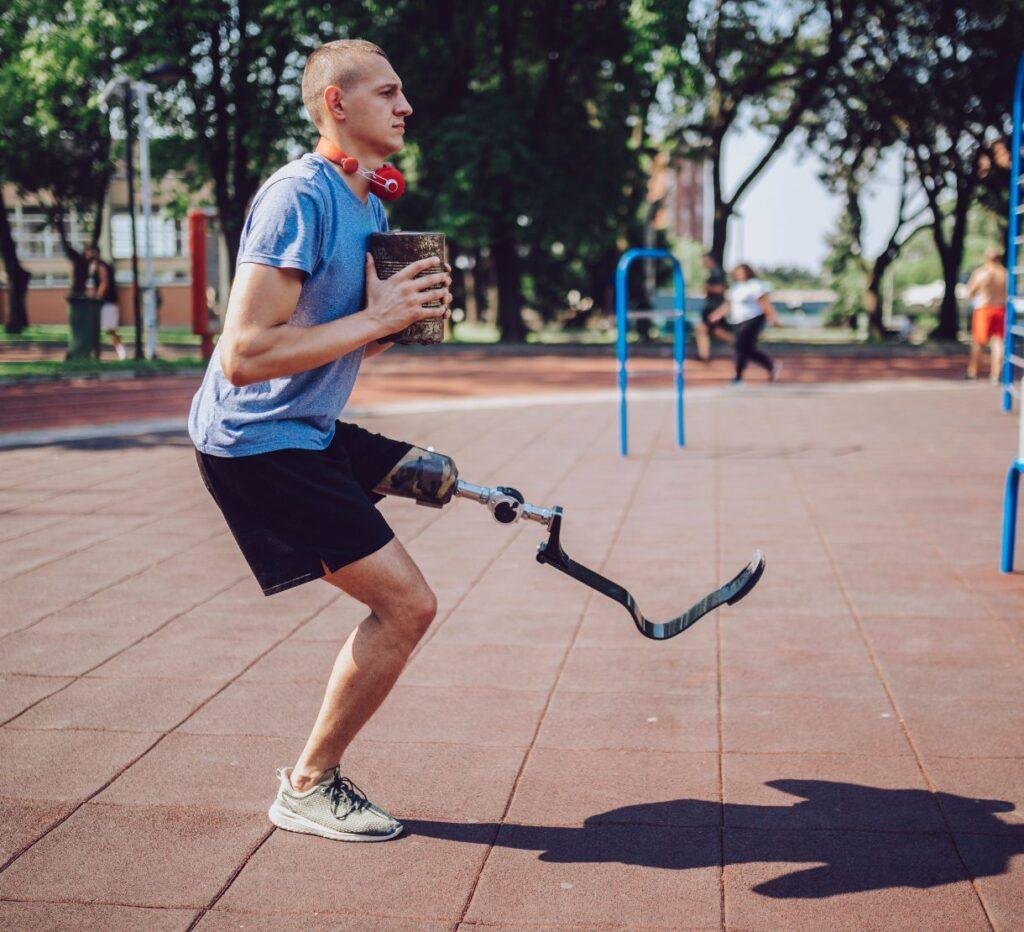
Adapted sports, the gym, swimming, walking groups, or just getting to the park and being active in a way that suits you.
Galleries, concerts, the library, art and music classes, and cultural events worth getting out for.
Local community groups, volunteering for a cause you care about, and taking part in faith or cultural community life.
Markets, festivals, local attractions, and day outings, with support to plan the day and enjoy it without the stress.
Community participation looks different for everyone. Some people want a quiet coffee and a catch-up. Others want sport, classes, or a busy social calendar. We start with what matters to you.
This support suits people who’d like to get out more, do more, and feel more connected, but find it hard to make that happen on their own.


Good community support starts with you, not a list of activities. Before anything else, we want to understand what you enjoy, what you’d like to do more of, and what’s been getting in the way.
We sit down with you, and your family or support coordinator if you'd like, to understand your interests, your goals, and the activities you'd like support with. No pressure, and no fixed program you have to fit into.
We pair you with a support worker who fits you and, where it helps, shares your interests. Together we sort out the activities, the schedule, and the practical details like transport and access.
Support starts, and we check in on how it's going. As your confidence grows or your interests change, we adjust the activities and the plan with you.
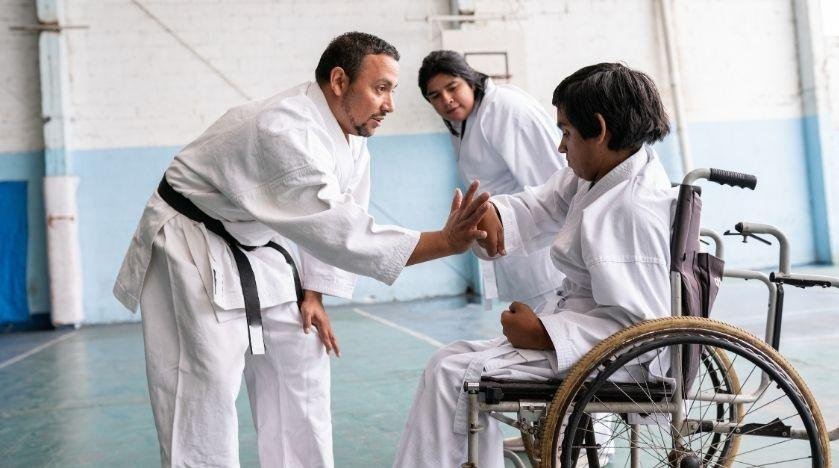
Getting out is one thing. Getting out with someone whose company you actually enjoy is another thing entirely.
We put real care into matching. A worker who gets footy goes to the game with you. Someone who loves art comes to the gallery. Someone who speaks your language joins you for the community event where that matters most. The goal is for it to feel less like being supervised and more like heading out with a mate.
That match is what turns an outing into something you look forward to, week after week.
Good matching means more than simply assigning a support worker. It means having someone who understands or shares your interests, makes conversation feel natural, supports you in Arabic or English depending on what feels most comfortable, knows your local community, and becomes a familiar face you genuinely enjoy spending time with.
The NDIS funds your support worker’s time and the help you need to take part. It does not pay for the activity itself, such as:
Community participation is most often funded under your Core Supports budget, in the category called Assistance with Social and Community Participation. This pays for a support worker to help you get to and take part in activities. It’s flexible and ongoing, which makes it one of the easier supports to use week to week.
Some plans also include Increased Social and Community Participation under the Capacity Building budget. This is aimed at building skills to participate more independently over time, and can include structured or therapy-based programs delivered by other providers. Beyond Limits provides the support-worker side: getting you out, alongside you, taking part.
Beyond Limits works with self-managed, plan-managed, and NDIA-managed participants. We’re happy to look at your plan with you and explain what’s available.
Money-saving tip: If you have a WA Companion Card, participating venues and events may provide a free ticket for your support worker or companion. This can help reduce out-of-pocket costs without using your NDIS funding for their entry. You can also learn more about NDIS support budgets on the NDIS website.
Beyond Limits Assistance supports NDIS participants to take part in community life right across Perth’s Northern Suburbs.
Being local matters for this kind of support. Our team knows the area, the local groups, the venues, and the events worth getting to. We’re based in Alexander Heights and support participants to get out and take part close to home.
If you’re nearby and unsure whether we cover your suburb, give us a call. We’ll confirm in a couple of minutes.
Based in Alexander Heights, areas we support include:
Talk to Beyond Limits Assistance about community and social participation support built around what you enjoy.
Whether you’re enquiring for yourself, a family member, or someone you support, the first conversation is unhurried and obligation-free.
Prefer to speak with someone?
Call 0415 706 321
Quick answers to the questions we hear most often about community access, what the NDIS pays for, and getting started.
Almost anything that helps you take part in community life. Social outings, hobbies and classes, sport and fitness, arts and culture, community groups, volunteering, events, and day trips. If it matters to you and connects to your NDIS goals, we can usually support it. We start with your interests and build from there.
No. The NDIS pays for your support worker’s time and the help you need to take part, not the cost of the activity itself. That means things like event tickets, class fees, gym memberships, and your own meals are yours to cover. If you hold a Companion Card, many venues will admit your support worker free, which helps with the cost.
Yes. Some people prefer one-on-one support, especially when trying something new or building confidence. Others enjoy group activities, which can also stretch your funding further since the support cost is shared. We’ll work out what suits you, and you can mix both.
Yes, wherever possible. Community support works best when you genuinely enjoy your worker’s company, so we match carefully and keep that worker with you. If they’re ever sick or on leave, we’ll let you know in advance and sort out a replacement or reschedule. You can request a different match at any time.
Yes. We have support workers who speak both Arabic and English, and can match you with someone you’re comfortable with. For cultural and community activities especially, sharing a language can make all the difference to how an outing feels.
It’s most often funded under Assistance with Social and Community Participation in your Core Supports budget, which is flexible and ongoing. Some plans also include Increased Social and Community Participation under Capacity Building, aimed at building independence over time. We can look at your plan and explain how it applies.
We’re based in Alexander Heights and support participants across Perth’s Northern Suburbs, including Landsdale, Ballajura, Koondoola, Girrawheen, Marangaroo, Darch, Mirrabooka, Wanneroo, and Nollamara. We also take enquiries from nearby areas. If you’re unsure, give us a call.
Three options:
The first conversation is all about what you’d like to do and where you’d like support. We’ll only move ahead if it feels like the right fit on both sides.