
-
Mon–Fri 8:30am–11pm
Sat–Sun 9am–11pm - Alexander Heights, WA 6064


Life skills development for NDIS participants across Perth’s Northern Suburbs. A support worker who helps you build everyday skills, working alongside you on cooking, routines, money, and getting around with confidence.
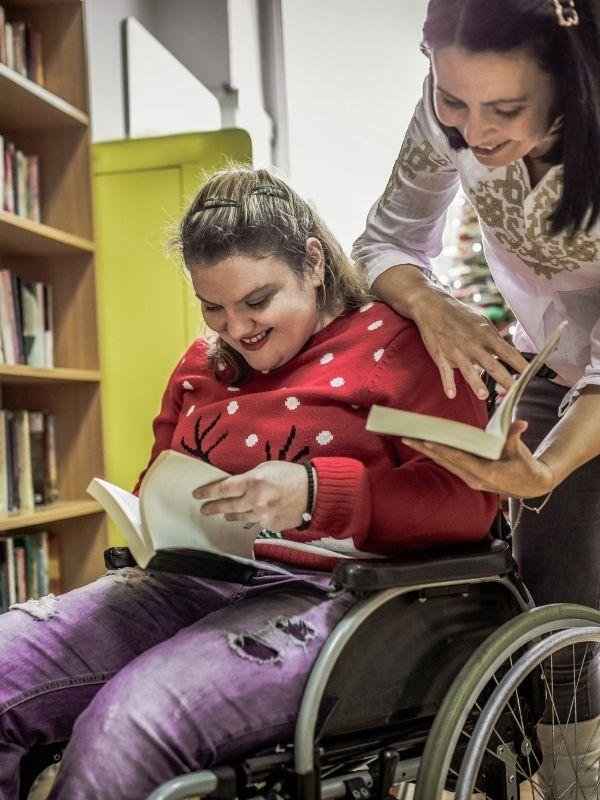
Most in-home support is about getting a task done for you. Life skills development is the opposite. It’s about a support worker helping you learn to do the task yourself, so you need less help over time.
The worker still rolls up their sleeves. The difference is the goal. Instead of cooking your dinner, they cook it with you, showing you, prompting you, and letting you take more of it on each week. Instead of catching the bus for you, they ride alongside until you’re confident going it alone.
At Beyond Limits Assistance, this support is built around goals you’ve set. Cooking your own meals. Keeping your own place. Managing your money. Getting to where you need to be. The aim is more of your life under your own control.
Skills aren’t built in a week. Most participants focus on a small handful of areas at a time, build real confidence, then move on to the next. We adjust the focus as you progress.
Planning meals, shopping for them, preparing them safely, and storing them. From a simple breakfast to a week of dinners, built up at your pace.
Building the rhythms that keep a home running. Cleaning routines, laundry days, bin nights, and the small habits that hold a week together.
Managing a weekly budget, comparing prices, paying bills on time, and shopping without running short before pay day.
Learning routes, using public transport, getting to appointments and activities, and feeling confident in unfamiliar places.
Practising the personal care tasks you want to manage yourself, with quiet prompts and support as your confidence grows.
Managing your own calendar, dealing with services and appointments, and speaking up clearly for what you need.
Skill development looks different for everyone. Some participants want to focus on cooking and running a home. Others want to build travel confidence, or get on top of money. We start with the skills that matter most to you, and add more as you grow.
Life skills development isn’t for everyone, and that’s the point. Some participants need ongoing help with daily tasks, which is what our personal care, household tasks, and daily living support services are for. Others want to build their own capacity to do more, even when that takes time and patience.
This support is for that second group.


Skill development support runs differently from regular daily support. The worker doesn’t just arrive and get to work. They arrive to work WITH you, building your capacity bit by bit. You set the goals, the pace, and the order.
At the start, we sit down with you, and your support coordinator or family if you'd like, to understand what you want to focus on and what 'more independent' actually looks like for you. We turn that into concrete, doable goals rather than vague hopes.
People learn differently. Some want to watch first, then try, then go solo. Others want to be talked through each step. Some use checklists or visual prompts. We work out what suits you and stick with it, so the support feels consistent.
As you get more confident, the worker steps back. Less prompting, less hands-on, more room for you to handle it yourself. That's how independence actually builds. We check in regularly on what's working and what to tackle next.

The whole point of this support is to need less of it over time. That’s an unusual thing for a service to aim for, and it shapes how the work is done.
A worker on skill development doesn’t make the bed for you. They watch you make it, suggest an easier way to square off the corner, and let you do it again next time. They don’t take the bus for you. They ride along the first few times, sit a few seats back the next, and wave from the platform after that.
The job is to make themselves less necessary. The better the support works, the less of it you need.

Many participants use both together, with a therapist building the strategy and a support worker helping put it into daily practice.
There’s an important distinction with this support, and it can affect how it is funded.
Beyond Limits Assistance provides support worker led skill development. This means a support worker helps with daily tasks in a way that builds your skills and independence, rather than simply doing the tasks for you. The NDIS recognises this as support to assist with and supervise daily personal tasks so participants can live as independently as possible.
This is different from therapy based skill development, which is delivered by allied health professionals under Improved Daily Living in the Capacity Building budget. Beyond Limits does not provide therapy. We provide the practical support worker side of skill development and can work alongside any therapy you may already receive. Funding depends on your plan and goals. We can review your plan with you and explain what may be available before you commit.
The NDIS is gradually moving to a new way of planning, where funding becomes more flexible and the old budget categories change over time. Most participants are still on their current plans for now. Whichever framework your plan is under, we can help you understand how it applies to skill-development support. You can read more on the NDIS website.
Beyond Limits Assistance provides life skills development support for NDIS participants across Perth’s Northern Suburbs.
Sessions happen wherever the skill lives. In your kitchen for cooking, at the local shops for budgeting and shopping, at the bus stop and beyond for travel confidence. Our team is based in Alexander Heights and travels across the Northern Suburbs catchment.
If you’re nearby and unsure whether we cover your suburb, give us a call. We’ll confirm in a couple of minutes.
Based in Alexander Heights, areas we support include:
Talk to Beyond Limits Assistance about life skills development that works toward goals you set, at a pace that suits you.
Whether you’re enquiring for yourself, a family member, or someone you support, the first conversation is unhurried and obligation-free.
Prefer to speak with someone?
Call 0415 706 321
Quick answers to the questions we hear most often about skill development, how it differs from personal care and from therapy, and how the NDIS funds it.
Personal care is hands-on help with tasks you can’t do safely or comfortably on your own. The worker does the task, or helps you with it because you need that help now.
Life skills development is about helping you LEARN to do the task. Cooking your own meals, managing your laundry, getting to appointments. The worker prompts, coaches, and steps back as your confidence grows, so you need less help over time.
Both have a place, and some participants use both. The right mix depends on your goals and how your plan is set up. We can help you work it out.
No, and this is an important distinction. Therapy is delivered by registered allied health professionals such as occupational therapists, speech pathologists, and psychologists. It usually involves assessment, structured intervention, and reports back to your plan.
Beyond Limits Assistance provides the support-worker side of skill development. We help you practise and build everyday skills through real tasks, at home and in the community. We don’t deliver therapy, but we often work alongside a participant’s therapist, helping put their strategies into daily practice.
If your goals call for therapy, your support coordinator or plan manager can help you find a registered allied health provider, and we can support the practical side in parallel.
Practical, everyday skills. Cooking and meal planning, shopping and budgeting, cleaning and home routines, laundry, travel and using public transport, communication, scheduling, and managing appointments.
The focus is always on building your independence in the areas that matter most to your life and your goals, at a pace that works for you.
It tends to suit participants who are working toward doing more for themselves. Young adults moving toward independent living, people with goals around cooking or budgeting or running a home, those rebuilding capacity after illness or injury, and anyone who’d rather have a worker coach them than do everything for them.
It’s less suited to participants who need ongoing hands-on help with tasks they can’t safely manage alone. For that, our personal care and daily living support services are a better fit.
Yes, wherever possible. Continuity matters even more for skill development than for regular daily support, because the worker needs to know where you’re up to with each skill, how you learn best, and what’s already clicked.
If your regular worker is sick or on leave, we’ll let you know in advance and either reschedule or bring in a backup worker who’s been briefed on your goals. You can request a different match at any point, with no awkwardness.
Beyond Limits provides support-worker-led skill development, where a worker helps you build skills by assisting and supervising you through daily tasks. How your plan funds this depends on how it’s set up and the goals it’s built around.
This is different from therapy-based skill development (occupational therapy, speech pathology, psychology), which sits under Improved Daily Living in the Capacity Building budget and is delivered by registered allied health professionals.
The NDIS is also moving to a new, more flexible way of planning from mid-2026, though most participants are still on their current plans for now. Whichever applies to you, we can look at your plan together and explain what’s available. There’s a plain-English overview on the NDIS website.
We’re based in Alexander Heights and support participants across Perth’s Northern Suburbs, including Landsdale, Ballajura, Koondoola, Girrawheen, Marangaroo, Darch, Mirrabooka, Wanneroo, and Nollamara. We also work in community settings like supermarkets, cafes, and transport hubs as part of skill-building sessions. If you’re unsure whether we cover your area, give us a call.
Three options:
The first conversation is about understanding your goals. What you want to work on, how your NDIS plan is set up, and what ‘more independent’ would mean for you. We’ll only move ahead if it feels like the right fit on both sides.